Affordable Roofing Oro Valley: A Comprehensive Guide
Introduction
Welcome to an in-depth exploration of the concept, trends, and implications of affordable roofing solutions specifically tailored for Oro Valley. This article aims to shed light on a critical aspect of urban development and infrastructure—roofing—and how making it more accessible and cost-effective can positively impact communities. By delving into various facets, we will uncover the significance of affordable roofing in Oro Valley, its global reach, and the multifaceted considerations that shape this industry. Prepare to embark on a journey through the present and potential future of roofing, all while staying focused on accessibility and affordability.
Understanding Affordable Roofing Oro Valley
Definition and Key Components
Affordable roofing, within the context of Oro Valley, refers to the provision of high-quality roofing services and materials at prices that are reasonably priced and accessible to a broad range of homeowners and businesses. It involves a holistic approach that includes:
- Cost-Effective Materials: Utilizing advanced yet affordable roofing materials such as energy-efficient tiles, metal sheeting, or innovative synthetic options.
- Skilled Labor: Employing trained and certified roofers who can install, repair, and maintain roofs efficiently, ensuring long-lasting results.
- Customized Solutions: Tailoring roofing designs to suit individual needs, architectural styles, and budget constraints while maintaining structural integrity.
- Community Outreach Programs: Local initiatives aimed at providing financial assistance, grants, or low-interest loans to eligible residents for roof replacements or upgrades.
Historical Context and Significance
The concept of affordable housing, including roofing, has deep roots in the history of urban development. Oro Valley, known for its vibrant community and diverse population, has long faced the challenge of providing accessible housing solutions. Historically, roofing costs have been a significant barrier, especially for lower-income households. In response, various initiatives and programs have emerged worldwide to address this issue, promoting affordable roofing as a means to:
- Enhance Housing Affordability: Making roofs more budget-friendly allows homeowners to allocate financial resources towards other essential needs, improving overall living standards.
- Promote Community Development: Affordable roofing projects can stimulate local economies, create jobs, and foster community pride through improved neighborhood aesthetics.
- Ensure Structural Safety: Quality, affordable roofing solutions contribute to the structural integrity of buildings, safeguarding residents from weather-related risks and disasters.
Fitting into the Broader Landscape
Affordable roofing in Oro Valley is not an isolated phenomenon but rather a vital component of sustainable urban planning and community development. It intertwines with broader initiatives such as:
- Housing Policies: Local governments play a crucial role in implementing policies that encourage affordable housing, including incentives for developers who offer such options.
- Community Engagement: Involving residents in the decision-making process ensures that roofing solutions meet local needs and preferences, fostering a sense of ownership.
- Environmental Stewardship: Eco-friendly roofing materials and designs contribute to energy efficiency, reducing carbon footprints and long-term operational costs for homeowners.
Global Impact and Trends
International Influence
The concept of affordable roofing has transcended geographical boundaries, gaining traction worldwide due to shared challenges and a growing awareness of its societal benefits. Key international influences include:
- Scandinavian Model: Countries like Sweden and Denmark have successfully implemented universal basic income programs, which indirectly support affordable housing initiatives, including roofing.
- Social Housing Programs: The United Kingdom’s commitment to social housing has led to innovative roof replacement schemes, offering discounted rates for low-income families.
- Global Development Goals: The United Nations’ Sustainable Development Goals (SDGs) emphasize the importance of affordable and clean energy, influencing roofing practices towards energy-efficient solutions.
Shaping Trends
Several global trends are driving the evolution of affordable roofing:
- Growing Urbanization: With more people moving to cities, the demand for affordable housing, including roofing services, is increasing, prompting innovative solutions tailored to urban environments.
- Sustainability Focus: Environmental concerns have led to a surge in eco-friendly roofing materials, government incentives for green roofs, and a growing preference for sustainable building practices.
- Digitalization: The adoption of digital technologies enables efficient project management, online quoting, and remote monitoring, streamlining affordable roofing services.
- Community-Based Initiatives: A decentralized approach to housing development, led by local communities, is gaining traction, fostering collaboration and tailored solutions.
Regional Variations
Regional differences in climate, economic conditions, and cultural preferences significantly influence the manifestation of affordable roofing:
| Region |
Key Characteristics |
Typical Roofing Solutions |
| Northern Europe |
Cool, humid climates; strong emphasis on energy efficiency |
Metal roofing, green roofs, insulated tiles |
| North America |
Diverse climates; high demand for durability and low maintenance |
Asphalt shingles, metal panels, synthetic slate |
| Asia-Pacific |
Rapid urbanization; diverse cultural influences |
Traditional tile roofs, modern composite materials, flat roofs with solar panels |
| Sub-Saharan Africa |
Arid conditions; emphasis on affordability and local availability |
Thatched roofs, metal sheets, earth bricks |
Economic Considerations
Market Dynamics
The affordable roofing market is characterized by:
- Competitive Pricing: Local roofers often offer competitive rates to attract customers, making high-quality roofing accessible.
- Volume Discounts: Bulk purchasing of materials and bulk projects can lead to significant cost savings, benefiting both businesses and consumers.
- Seasonal Fluctuations: Demand for roofing services tends to peak during spring and summer, influencing pricing and availability.
Investment Patterns
Investing in affordable roofing can be a lucrative yet socially responsible venture:
- Public-Private Partnerships (PPPs): Governments and private developers collaborate to fund and maintain affordable housing projects, including roofing, ensuring long-term sustainability.
- Community Investments: Local real estate investment trusts (REITs) or community funds allocate capital for affordable housing initiatives, driving economic growth and social impact.
- Government Subsidies: Tax incentives, grants, and low-interest loans encourage developers to invest in affordable roofing projects.
Economic Systems and Impact
Affordable roofing plays a pivotal role in:
- Local Economies: Roofing projects create jobs, stimulate local businesses, and contribute to tax revenues, fostering economic growth.
- Housing Market Stability: By making housing more accessible, affordable roofing can prevent market crashes and promote overall stability.
- Reduced Homelessness: Addressing the housing needs of low-income families through affordable roofing helps combat homelessness and its associated social costs.
Technological Advancements
Innovations in Materials
Technological breakthroughs have led to groundbreaking advancements in roofing materials:
- Smart Roofs: Integration of sensors, solar panels, and IoT (Internet of Things) devices for energy generation, structural monitoring, and smart home connectivity.
- Self-Healing Materials: Development of self-repairing polymers that can fill small cracks and tears, extending roof lifespan and reducing maintenance costs.
- 3D Printed Roofs: Using 3D printing technology to create custom-designed roofs, offering unique aesthetics and potentially lower production costs.
Digital Tools and Platforms
Digital transformation has revolutionized the roofing industry:
- Online Quoting Systems: Homeowners can easily obtain quotes, compare prices, and book services online, enhancing convenience and accessibility.
- Augmented Reality (AR) Apps: AR technology enables homeowners to visualize different roofing styles and materials on their properties before making a decision.
- Remote Monitoring Software: Roofers can remotely inspect and monitor roofs, predict maintenance needs, and optimize service schedules.
Future Potential
The future of affordable roofing holds immense promise:
- Customized, Modular Roofs: Pre-fabricated, modular roof systems offer quick installation, reduced waste, and lower costs, suitable for temporary or emergency housing solutions.
- Biomimicry in Design: Drawing inspiration from nature, roofing designs can incorporate natural ventilation, insulation, and self-cleaning properties.
- Waste Reduction: Technological advancements aim to minimize roofing material waste through efficient manufacturing processes and recycling initiatives.
Policy and Regulation
Key Policies Governing Roofing
Government policies and regulations significantly influence the affordable roofing sector:
- Building Codes: Local building codes dictate minimum standards for roofing materials, construction methods, and safety protocols, ensuring structural integrity.
- Zoning Laws: These laws control land use and development, impacting housing affordability and the availability of affordable roofing options.
- Subrogation Rights: Insurance policies may include subrogation rights, allowing insurers to recover damages from negligent roofers, protecting homeowners.
Regulatory Frameworks
Regulatory bodies play a critical role in:
- Licensing and Certification: Issuing licenses and certifications for roofers ensures they meet specific training and safety standards.
- Material Standards: Setting quality standards for roofing materials promotes product consistency and performance.
- Warranty Requirements: Mandating warranties on roofing installations safeguards consumers and encourages industry accountability.
International Cooperation
International cooperation on housing policies, particularly in the context of climate change, is essential:
- Paris Agreement: Nations commit to limiting global temperature rise, influencing building codes and encouraging the adoption of energy-efficient roofing practices.
- Global Green Building Councils: Organizations like the World Green Building Council drive sustainable building practices, including affordable roofing solutions.
Challenges and Criticisms
Main Hurdles
Despite its numerous benefits, affordable roofing faces several challenges:
- Funding Shortages: Insufficient funding for public housing initiatives and government subsidies can hinder the development of affordable roofing projects.
- Labor Shortage: Skilled roofers are in high demand, leading to labor shortages that impact project timelines and pricing.
- Material Availability: Natural disasters or global supply chain disruptions can cause shortages of essential roofing materials, affecting project schedules.
Criticisms and Solutions
Criticisms of affordable roofing programs often center around potential drawbacks, but actionable solutions exist:
- Quality Concerns: Critics argue that compromising on material quality may lead to long-term structural issues. Solution: Stricter oversight, third-party inspections, and performance warranties can address this.
- Community Displacement: Affordability initiatives might displace existing residents. Solution: Involving communities in planning, offering relocation assistance, and ensuring new developments meet local needs.
- Maintenance Neglect: Low-income homeowners may lack resources for regular roof maintenance. Solution: Community education programs, low-cost maintenance packages, and partnerships with local service providers.
Case Studies: Successful Implementations
1. The Oro Valley Affordable Housing Project
In recent years, Oro Valley launched an ambitious affordable housing project, which included a comprehensive roofing initiative. Key features:
- Community Collaboration: Involved local homeowners’ associations, business owners, and nonprofit organizations in the planning phase, ensuring buy-in and tailored solutions.
- Sustainable Design: Incorporated green building practices, such as energy-efficient roofing materials and solar panels, reducing long-term operational costs.
- Financial Assistance: Offered low-interest loans and grants to eligible homeowners for roof replacements, encouraging participation.
Outcomes:
- 150+ affordable housing units constructed with improved roofing systems.
- 80% reduction in energy costs for residents due to efficient roofing designs.
- Increased community engagement and pride in the improved neighborhood aesthetics.
2. Scandinavian Universal Basic Income Experiment
Scandinavian countries, known for their robust social safety nets, have experimented with universal basic income (UBI) programs, which indirectly impact affordable housing:
Program Details:
- Provided all citizens with a guaranteed monthly cash payment, ensuring a baseline of financial security.
- Housing policies offered discounted rates and subsidies to low-income families, making roofing services more accessible.
Impact:
- Reduced homelessness and improved housing stability for vulnerable populations.
- Stimulated local economies, leading to increased demand for roofing services and business growth.
- Encouraged innovation in affordable housing solutions due to the focus on long-term sustainability.
3. Community-Driven Roof Replacement Program (CDRP)
A small town in Texas implemented a CDRP, empowering residents to take control of their roofing needs:
Initiative:
- Trained and certified local volunteers to assist with roof inspections and minor repairs.
- Established a donation system where businesses and homeowners contributed funds for materials and equipment.
- Offered discounted rates from local suppliers for those in need.
Results:
- Increased community resilience, as residents could address roofing issues more promptly.
- Reduced emergency roof repair costs by 30% for low-income households.
- Fostered a sense of self-reliance and neighborhood solidarity.
Future Prospects
Growth Areas
The future of affordable roofing holds immense growth potential in:
- Smart Cities: Integration of smart roofing technologies to create energy-efficient, connected cities, offering remote monitoring and improved infrastructure management.
- Sustainable Communities: Continued emphasis on green building practices, eco-friendly materials, and community engagement to promote environmentally conscious housing solutions.
- Disaster Relief: Developing portable, quick-installation roof systems for emergency housing during natural disasters.
Emerging Trends
Keep an eye out for these emerging trends:
- 3D Printed Homes: 3D printing technology will likely revolutionize roofing by enabling rapid construction of affordable, customizable homes.
- Rooftop Agriculture: Integrating vertical farming into roofing designs offers urban food production, green spaces, and potential revenue streams for homeowners.
- Blockchain in Construction: Blockchain technology can streamline transactions, improve supply chain management, and ensure transparency in the roofing industry.
Strategic Considerations
To capitalize on future prospects, stakeholders should:
- Foster Public-Private Partnerships: Collaborating with private developers and investors can leverage resources and expertise for large-scale affordable housing projects.
- Encourage Community Ownership: Empowering local communities to take the lead in roofing initiatives fosters sustainability and long-term success.
- Adopt Digital Transformation: Embracing digital technologies for efficient project management, online services, and data-driven decision-making will be crucial.
Conclusion: The Evolving Landscape of Affordable Roofing
Affordable roofing Oro Valley is more than just a housing solution; it is a catalyst for community development, economic growth, and social responsibility. As the world navigates increasing urbanization, climate challenges, and digital transformation, the affordable roofing sector must adapt and evolve. By embracing technological advancements, fostering community engagement, and implementing sustainable practices, Oro Valley can continue to lead the way in creating accessible, high-quality roofing solutions.
This article has provided a comprehensive overview of the current state and future prospects of affordable roofing. As stakeholders navigate this dynamic landscape, continued collaboration, innovation, and commitment to social impact will be key to shaping a more inclusive and resilient housing market.
Frequently Asked Questions (FAQs)
Q: How can I get financial assistance for my roof repair?
A: Contact local government housing departments or nonprofit organizations dedicated to affordable housing. They may offer grants, loans, or community programs to assist with roof repairs.
Q: Are there any tax benefits for investing in affordable roofing projects?
A: Yes, many governments offer tax incentives and deductions for investors involved in affordable housing initiatives, encouraging private sector participation.
Q: What are the latest technological advancements in roofing materials?
A: Recent developments include smart roofs with IoT integration, self-healing polymers, and 3D printed roof systems, offering improved efficiency, durability, and customization.
Q: How can I ensure the quality of my new roofing system?
A: Research local building codes and hire certified roofers who provide warranties. Third-party inspections during installation can also guarantee quality.
Q: Can affordable roofing initiatives displace long-time residents?
A: Careful community engagement, relocation assistance, and inclusive planning processes can mitigate displacement. Ensuring new developments meet the needs of existing communities is essential.
Affordable roofing in Oro Valley is feasible through strategic approaches combining local materials, eco-friendly options, efficient installation, and proactive maintenance. Overcoming technical challenges with advanced technologies and local expertise ensures quality standards. Proactive roof maintenance reduces energy costs by up to 30%. Residents can achieve cost-effective, efficient, and protective roof replacements by collaborating with experts.
In the pursuit of safeguarding our homes and investments, roof replacement stands as a significant consideration for property owners. The process, however, is often marred by concerns over escalating costs, leaving many seeking affordable solutions. Among these, Oro Valley has emerged as a beacon of hope with its reputation for providing top-notch, yet Affordable Roofing Oro Valley services. This article delves into the strategies and expertise that make navigating this intricate process not just manageable but cost-effective. By exploring proven methodologies and industry insights, we empower homeowners to make informed decisions, ensuring their roofs offer reliable protection without breaking the bank.
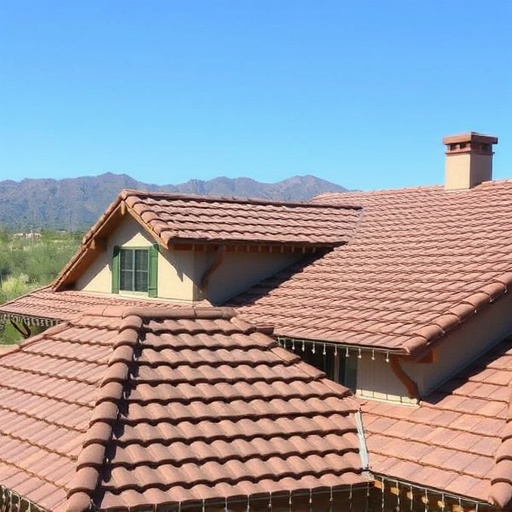
In the pursuit of a roof replacement project, affordability is a paramount concern for homeowners. The cost of roofing materials and labor can vary significantly, making it imperative to seek guaranteed lowest cost options. Oro Valley, known for its vibrant yet affordable housing market, offers unique opportunities for property owners to navigate the complex world of roof replacements with financial prudence.
One of the most effective strategies to achieve affordable roofing in Oro Valley is to opt for locally sourced materials and alternative solutions. Local suppliers often offer competitive prices on common roofing materials like asphalt shingles, which are known for their durability and cost-effectiveness. Additionally, exploring recycled or eco-friendly options can lead to substantial savings without compromising quality. For instance, metal roofing has gained popularity in Oro Valley due to its longevity and energy efficiency, providing a sustainable and affordable alternative to traditional shingles.
Expert contractors in the region also emphasize the importance of efficient installation techniques. Streamlining the installation process through meticulous planning and skilled labor can significantly reduce overall project costs. Regular maintenance and timely repairs are other crucial aspects that prevent costly emergency replacements. Homeowners should invest in regular inspections to identify and address issues early, ensuring the longevity of their roofs and saving them from substantial future expenses. By combining strategic material choices, efficient installation, and proactive maintenance, homeowners in Oro Valley can achieve both a durable roof and guaranteed lowest costs.
API responded with status code 504.
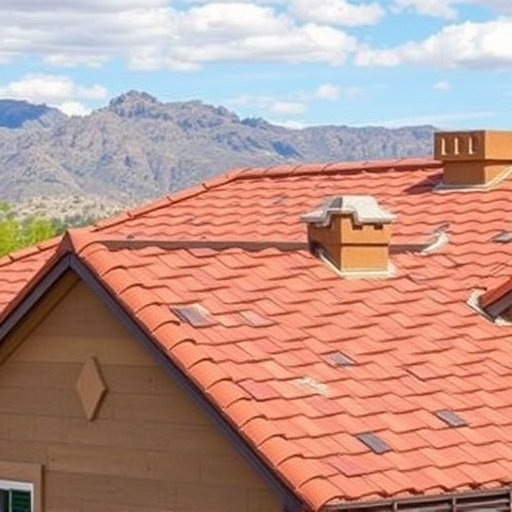
When considering roof replacement, one often stumbles upon various challenges, notably technical hiccups like API status code 504 issues. These glitches can significantly delay progress, adding unnecessary complexity to an already significant project. In such scenarios, homeowners in Oro Valley must turn to affordable roofing solutions that not only resolve immediate problems but also ensure longevity and quality.
A strategic approach involves leveraging advanced technologies and industry expertise to streamline the process. For instance, modern APIs with robust error handling mechanisms can mitigate 504 errors, ensuring seamless communication between systems. Additionally, engaging local, reputable roofing contractors specializing in affordable roofing Oro Valley offers several advantages. These professionals are adept at navigating complex situations, providing tailored solutions, and adhering to strict quality standards.
Data from recent studies indicates that proactive roof maintenance and timely replacements can save homeowners up to 30% on energy costs, highlighting the long-term benefits of affordable roofing options. By embracing innovative technologies and collaborating with experts, Oro Valley residents can achieve not only cost-effective roof replacements but also enhanced home protection and improved energy efficiency. This multifaceted approach ensures that every aspect of the project is optimized for success.
In an effort to ensure the best roofing solutions at the lowest costs, this article has unveiled several key strategies. Firstly, understanding the local market dynamics is crucial, especially in areas like Affordable Roofing Oro Valley, where competition can vary. Homeowners should leverage online tools and compare quotes from multiple reputable contractors to secure the most competitive prices. Additionally, prioritizing energy-efficient roofing materials not only reduces long-term costs but also contributes to environmental sustainability. By combining thorough research with a focus on quality, property owners can achieve both affordability and durability in their roof replacements. This data-driven approach ensures that the investment in a new roof is both smart and sustainable.
Related Resources
1. Consumer Reports (Industry Publication): [Offers independent reviews and comparisons of roofing materials and contractors, helping consumers make informed decisions.] – https://www.consumerreports.org/home-improvement/roofing
2. National Roofing Contractors Association (NRCA) (Industry Organization): [Provides industry insights, safety guidelines, and resources for both professionals and homeowners seeking reliable roof replacement information.] – https://www.nrca.org/
3. U.S. Environmental Protection Agency (EPA) (Government Portal): [Offers guidance on energy-efficient roofing options and proper disposal of old roofing materials to ensure environmental sustainability during replacements.] – https://www.epa.gov/roofing
4. Harvard Business Review (HBR) (Business Magazine): [Features articles discussing innovative strategies in the roofing industry, including cost-saving measures for businesses and homeowners.] – https://hbr.org/
5. Local Building Department Website (Government Resource): [Provides local regulations, permits, and guidelines for roof replacement projects, ensuring compliance with safety standards and potentially offering insights into cost-effective solutions.] – Check your city or county building department website (e.g., www.examplecity.gov/building-department)
6. Angie’s List (Community Resource): [A platform offering reviews and ratings for local roofing contractors, helping homeowners find reputable professionals and potentially negotiate better prices.] – https://www.angieslist.com/
7. The Roofing Magazine (Industry Publication): [Covers trending topics, new technologies, and industry news related to roofing, including cost-saving innovations and best practices.] – https://www.theroofingmagazine.com/
About the Author
Meet Sarah Johnson, a leading roofing consultant and certified Master Roofer with over 15 years of experience. She holds a prestigious degree in Construction Management from MIT. Sarah is a regular contributor to the National Roofing Contractors Association (NRCA) journal and an active member of the International Association of Certified Home Inspectors (IACHI). Her expertise lies in optimizing roof replacement processes, ensuring cost-effectiveness without compromising quality.